Autumn colds at preschool: how to support your child’s immunity every day
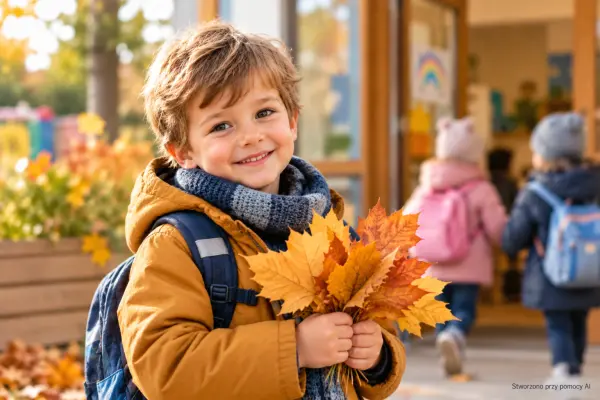
September is over, and the cloakroom is filling up with tissues and runny noses. Many parents feel their child is ill “from one week at preschool to the next”. This is very common and usually happens because the immune system is only just getting to know new viruses.
Simple everyday habits affect a child’s immunity. They won’t stop every cold, but they help you get through autumn more calmly.
The first years at preschool are a time when a child’s immune system learns as it goes. Adults can support it in ordinary, everyday ways.
📌 In this article you’ll learn:
Why preschoolers catch infections so often
In a group, children play close together, share toys and touch the same things. Viruses spread very easily this way. On top of that, a child’s immune system meets many germs for the first time and goes through each infection a bit like a lesson.
Over time, children get ill less often, because their body already knows more and more viruses. For many families the first year of preschool is the hardest, and the following years are gentler.
How sleep and a steady daily rhythm support immunity
A well-rested child copes better with infections. A preschooler usually needs 10 to 13 hours of sleep a day, including a nap. A regular bedtime and a calm, screen-free evening help.
A predictable daily plan also gives a child a sense of safety and less tiredness. We write more about how to set one up in our article A child’s daily routine – how to create a calm rhythm to the day.
Why it’s worth going outside in autumn too
A walk on a cool day is good training for the body. Moving in the fresh air improves appetite and sleep, and the child spends less time in closed, warm rooms, where viruses spread most easily.
The most important thing is comfortable clothing in layers. An overheated child sweats and then gets cold more quickly. It’s better to put on a few thinner layers that are easy to take off during play.
An everyday example: For the first autumn weeks, Zuzia’s mum dressed her very warmly, and when she came back from the playground she was all sweaty. After talking to the teacher, they changed her outfit: a thin vest, a sweatshirt and a rain jacket instead of a thick jumper. Zuzia now plays more freely and doesn’t come back damp from the inside.
What to eat and drink so the body has strength
Immunity likes ordinary, varied food: vegetables, fruit, grains, dairy and fish. There’s no need to look for miracle products. It’s better to make sure there are often plenty of colours on the plate and that your child drinks water during the day.
For fussy eaters, cooking together helps. A child who washed the carrot or stirred the soup themselves is more willing to try it afterwards.
How to return to preschool calmly after an illness
After an infection, it’s worth giving your child a day or two to rest at home, even if the symptoms have gone. Going back too soon often ends in another cold. It’s best to talk to your paediatrician about when your child is ready to return to the group.
After a longer break, a child may also need a moment to find their feet in the group again. You’ll find tips in our article Back to preschool after a long absence.
What can you do today?
- Set a regular bedtime for the whole week
- Go for a short walk, even on a cloudy day
- Dress your child in layers instead of one thick jumper
- Teach your child to wash their hands thoroughly when you get home
Frequently asked questions
Is it normal for a child at preschool to get ill every few weeks?
Yes, especially in the first year. A child’s body is getting to know many new viruses. Over time, infections usually become less frequent and milder. If something worries you, it’s worth talking to your paediatrician.
Should we go outside when it’s cold and raining?
Yes, if your child is well and dressed properly. A rain jacket and wellies turn a rainy walk into great fun.
How much sleep does a preschooler need?
Usually 10 to 13 hours a day, including a nap. Regularity also matters – going to sleep at a similar time every day.
When can my child go back to preschool after an infection?
When they’re feeling well and have no fever. It’s worth giving them one more day of rest at home. If in doubt, it’s best to ask your paediatrician.
How can I teach a preschooler about hygiene?
Through play and example. Washing hands to a song takes just as long as it should, and children quickly remember the ritual.
Want to know more?
If you’d like to see what a day at our preschool looks like and how much time children spend outdoors, we’ll be happy to tell you about it at a meeting.
💙 From Niebieska Przystań 💙
For us, autumn means wellies, leaves and walks in any weather.