Concentration in preschoolers – 5 simple ways
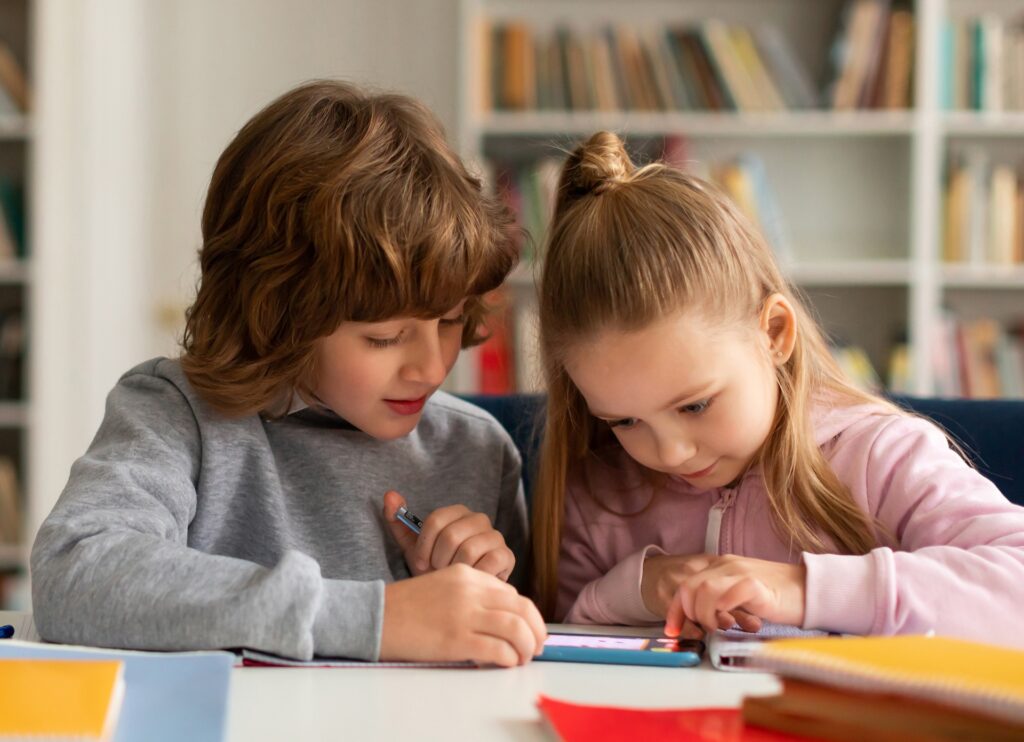
Developing a child’s concentration supports their learning, independence and everyday life. Being able to focus helps a preschooler listen to instructions, finish tasks, take part in play and get on better in a group. But concentration isn’t a fixed trait – it develops gradually and depends on things like age, interest, emotions, tiredness and how much is going on around them.
There’s no need for long training sessions or pressure. The best results come from short, engaging activities woven into everyday life. Play, movement, a predictable daily rhythm and the calm presence of an adult create the conditions in which a child can naturally practise focusing.
Concentration in children – what’s worth knowing?
Children’s attention span changes as they develop. A younger preschooler usually focuses for a shorter time than an older child, but age alone doesn’t explain everything. Attention can last longer when an activity is interesting, understandable and suited to the child’s abilities, and much shorter when they’re tired, hungry, upset or surrounded by too much going on.
That’s why it’s not worth comparing your child with their peers or expecting the same level of focus in every situation. A preschooler may build with blocks for a long time and then struggle to listen to an instruction with several steps. This doesn’t have to mean a lack of concentration – the first activity may be engaging for them, while the second requires remembering several pieces of information at once.
The best starting point is observation. Notice what time of day your child finds it easiest to focus, which activities they choose for themselves and what distracts them most often. This lets you adapt their surroundings and your expectations to their real needs.
1. Practise concentration through play
Play is one of the most natural ways to develop attention in the preschool years. When a child sees the point of an activity and enjoys it, it’s easier for them to stick with it, notice details and keep trying. This is how they learn patience and how to finish what they’ve started.
You don’t need special equipment to practise concentration. These work well:
- doing puzzles and simple sequences,
- building with blocks from a pattern,
- memory, dominoes and age-appropriate games,
- drawing from a short instruction,
- spot-the-difference pictures,
- games like “What’s missing?” or “Listen and point”.
It’s important to start with an activity your child has a chance of finishing. A task that’s too hard quickly causes frustration, and one that’s too easy can be boring. An adult can be nearby, notice the effort and suggest the first step if needed, but shouldn’t take over the whole game.
You’ll find more ideas for supporting development through everyday activities in our article “Learning through play – how it supports a child’s development”.
2. Bring in a predictable daily rhythm
It’s easier for a child to concentrate when their day has a clear framework. Regular times for meals, rest, movement and quiet play reduce uncertainty and help the nervous system get ready for the next activity. When a preschooler knows what’s about to happen, they don’t have to keep checking their surroundings.
A routine doesn’t mean a rigid plan filled to the minute. Repeated points in the day and simple announcements are enough, for example: “After the afternoon snack we’ll clear the table and do a puzzle”. A picture schedule can also help, especially if your child needs a visual reminder of the order of events.
Before a task that needs focus, it’s worth taking care of basic needs. A child who is hungry, tired or needs to move will find it harder to pay attention. Sometimes the best support isn’t another encouragement to work, but a short break.
If you’d like to organise your daily rhythm without a rigid plan, read also: “A child’s daily routine – how to create a calm rhythm to the day”.
3. Make time for movement before a quiet task
Movement and concentration don’t cancel each other out. Physical activity helps release tension, meet the need to move and prepare the body for calmer activity. It may be easier for a child to sit down at a table after a walk, playground time or a few simple exercises than after a long period of sitting still.
During the day it’s worth alternating activities that need focus with movement. You could suggest jumping, copying animals, dancing to music, a simple obstacle course or a game of following movement instructions. These activities also practise attention in themselves, because the child listens, remembers and responds to changing rules.
Not every child needs the same amount of movement. A few minutes is enough for one child, while another will need longer. It’s worth noticing whether your child is calmer and readier for a task after active play, or on the contrary still very wound up. This helps you choose the right kind and intensity of activity.
4. Reduce distractions and keep instructions simple
Too many toys, sounds and objects in sight can make it hard to choose what to focus on. Before starting a task, it’s good to tidy the space, switch off the TV and leave only the necessary materials on the table. It’s not about creating perfect silence, but about reducing competing distractions. If you’re wondering how to set rules at home about cartoons and tablets, have a look at our article on screens and young children.
The way you speak matters just as much. Instead of giving several instructions at once, it’s better to break the task into short steps. Making eye contact, calmly giving one message and allowing a moment for your child to respond all help.
An everyday example
Instead of saying: “Tidy up your toys, put the books away, wash your hands and come for dinner”, start with one step: “First, put the blocks in the box”. When your child has finished, give the next piece of information. This way they don’t have to hold the whole instruction in their memory and find it easier to focus on the current task.
If your child often loses track, you can ask them to repeat the instruction in their own words or show them the first step. It’s not a test, but help in organising information.
5. Support focus with a calm presence
A child concentrates more easily in an atmosphere of safety than under pressure. A calm tone of voice, patience and interest in what they’re doing help keep them engaged. Criticism, frequent corrections and rushing, on the other hand, can increase tension and make focusing even harder.
It’s worth noticing above all the effort and the strategy used: “You looked for that piece for a long time and tried it from different sides”. A message like this shows your child exactly what helped them. General praise is nice, but it doesn’t give such clear information about the learning process.
An adult can also model concentration. When you put your phone down during a conversation, finish one activity before starting the next and say: “Now I want to focus on what you’re telling me”, you show your child what attentiveness looks like in practice.
Strong emotions can also make focusing harder for a while. We write about how to calmly support your child in these moments in our article “How to support your child’s emotions in difficult moments”.
What can you do today?
Developing concentration doesn’t require a revolution in your daily plan. Start with one or two simple ideas and watch which of them work best for your child.
- Choose a short game that needs focus and end it before your child is clearly tired.
- Prepare a calm space, leaving only the materials needed for the current task.
- Give one instruction at a time and give your child time to carry it out.
- Suggest some movement before doing a puzzle, drawing or another quiet activity.
- Notice the effort instead of judging only speed and the end result.
- Watch for signs of tiredness and let your child take a break before strong frustration sets in.
Regularity matters more than length. Short experiences that end with a sense of success help a child build motivation and gradually focus for longer.
FAQ – parents’ most common questions
How long should a preschool child be able to concentrate?
There isn’t one figure that’s right for all children. Attention span depends on age, mood, tiredness, how much is going on around them and how appealing the task is. Rather than comparing minutes, it’s more important to see whether your child is gradually able to take part for longer in activities suited to their abilities.
Which games best develop a preschooler’s concentration?
Puzzles, memory, dominoes, sequencing, building from a pattern, spot-the-difference and listening and movement games with simple rules all help. The best activity is one that interests your child, suits their age and gives them a real chance of finishing it.
What most often makes it hard for a child to concentrate?
Tiredness, hunger, emotional tension, lack of movement, too much going on and tasks that are too hard or too long can all make focusing harder. Instructions with several steps can also be a problem. It’s worth checking your child’s needs and surroundings first, and only then raising expectations.
Can movement improve a child’s concentration?
Yes. Well-chosen activity helps release tension and meet the need to move, which can make it easier for a child to move on to a calmer task. It’s worth breaking up periods of sitting with a walk, dancing, exercises or outdoor play.
When is it worth talking to a specialist about difficulties with concentration?
It’s worth talking to your paediatrician, a child psychologist or another suitable specialist when the difficulties last a long time, happen in different places and clearly make play, learning, relationships or everyday activities harder for your child. Talking to the teachers, who see your child in the group, can also help.
Want to know more?
If you’re looking for a preschool that supports children’s cognitive development, helps them practise attention through play and creates conditions for concentration, independence and self-confidence, come and get to know Niebieska Przystań Preschool.
💙 From Niebieska Przystań 💙
We develop concentration through everyday play, activities, movement and doing things together – with a predictable daily rhythm and tasks matched to each child’s abilities.